
She Knows SEO contains affiliate links and is a member of the Amazon Services LLC Associates Program. If you make a purchase using one of these Amazon links, we may receive compensation at no extra cost to you. See our Disclosure Policy for more information.
How Many Blog Posts Should You Write Before Launching?

It’s a myth that you need a minimum number of blog posts before you launch your blog.
I see sites and people in Facebook Groups saying you have to have at least 10 blog posts to get going. …I literally launched this blog with 0 posts and kept it that way for 4 months.
I got traffic, backlinks, and email sign ups even with 0 posts. I just had a homepage, an email list opt in (no freebie!), and a contact page.
Was it really a blog then? No, kinda not. But once I got my first blog post up, it was!
Don’t let a minimum number of posts hold you back from starting your blog! You can start with literally nothing and it won’t hurt you.
Launch the website. Plan your 10-20 first posts. Then write them and hit “publish” as you go. It’ll take a while for Google to index you anyway, so you’re just giving your domain more time to marinate in the search engine’s eyes.
I Launched My Blog With …
When I started blogging back in 2013 – yep TECHNICALLY I started WAY before I bought my domain – I launched with 0 blog posts.
When I did a real launch of my old travel blog, not for a uni project, in 2018, I launched with a whopping 0 posts!
I published 2 within the first week – both of which are still on my site but have been intensely rewritten.
But I started my journey – even with sending emails to all my family and sharing it on every social media platform I had – with no posts.
I shared my empty site with PRIDE.
And guess what?
No one cared that there weren’t posts yet.
In fact, I didn’t get organic visitors for the first three months at all.
And back then the Google Sandbox was much more forgiving – usually allowing you out within 6 weeks.
So stop fretting about the perfect launch.
It’s more important to launch imperfectly than to wait decades for everything to be just right.
Spoiler alert: things are never perfect with blogging.
The 3 Post Blog Launch Myth
You’ve probably heard that you need 3 blog posts ready to go before you launch your site.
I’m sure there are people who do this – and if it works for them, great!
But many people say this without any experience in blogging or SEO.
And I can guarantee you that Google doesn’t care how many posts you have on your site when you first launch it.
They’re more interested in the quality of those posts and whether or not they’re relevant to what people are searching for.
If you have 3 great posts that are well-written and informative, then that’s great! But if you have 30 mediocre posts, that’s not going to help you.
And if you’re just starting out, it’s better to have 1 great post than 3 mediocre ones.
Quality over quantity, my friends!
Psst… and if you use zero volume keywords, you’re likely to rank much earlier with shorter posts, which makes those first months blogging much easier!
How Many Blog Posts Do You Need Before Launching Your Blog?
The simple answer is: you don’t need any!
You can technically start your blog without a single post.
Most people feel like they need a certain number of blog posts to “look legitimate” or so their readers can read more than one article.
BUT at the beginning, you’re not likely to have any visitors yet.
I think my mom and my grandma were the only people checking out my site for the first month!
The harsh reality is: new blogs don’t rank on Google right away.
This is because of the Google Sandbox.
What is the Google Sandbox?
The Google Sandbox is a period of time (usually around 3-6 months) where new sites are “buried” in the search results.
This is to prevent spammy or low-quality sites from ranking high in the search results.
Your site may not be either of these things – in fact, if you’re on She Knows SEO and follow my tips, then it definitely won’t be – but Google doesn’t know that yet.
And with BILLIONS of pages being created every day, they have to be careful about who they let into the top spots.
This is why it’s important to write great content and build links to your site before you even launch it!
If you do these things, then you’ll give your site the best chance of ranking well once it comes out of the Sandbox.
So don’t worry if you’re not ranking right away – or not for a while.
Aren’t More Blog Posts Better for Launching?
More content is always better.
If you have the time to write a lot of posts before you launch your blog, then by all means, do it!
The more content you have, the more likely people are to find your site and keep coming back for more.
And with this early content, you can promote it on social media to try and get eyes on your site before you’re out of the Google Sandbox.
But there really isn’t a massive benefit to having content ready. Because unless you have a pre-existing audience primed for your content, it’ll take time on social media and on Google for you to be discovered.
So focus on getting in the groove, making newbie mistakes, and figuring out your blogging voice and style.
The plethora of content will come with time!
How to Launch a Blog
1) Finding Your Niche
The first step to launching your blog is finding your niche.
This is the topic that you’re going to write about – and it should be something that you’re passionate about.
Your niche will determine what kind of content you write, who your target audience is, and what sort of tone you take with your writing.
If you’re not sure what your niche is, take some time to brainstorm.
Make a list of the things you love to do, the topics you’re interested in, and the problems you want to solve.
From there, you can start to narrow down your focus and find a niche that’s perfect for you.
For example, if you’re interested in travel, think about what part of travel most appeals to you.
Is it budget travel? Maybe a specific destination? Or maybe it’s about travel safety?
The narrower your niche is, the better!
In fact, when I start new niche sites, I look for keywords before deciding on my niche.
If you’re a new blogger, this step is too advanced. So focus on the passion instead. And the SEO can follow.
Need help coming up with a travel blog name? Use my naming guide!
2) Determining Content Pillars
Once you’ve found your niche, it’s time to start thinking about the content you want to write.
This is where most new bloggers get tripped up – they assume they need to have everything planned out before they launch their site.
But that’s just not the case!
You don’t need to have a ton of content ready to go before you launch your blog. In fact, it’s better to start small and then build up your content over time.
The key is to determine your content pillars – the topics that you want to write about most.
For example, if you’re a budget travel blogger, your pillars will be supporting topics under this.
So you might have credit card points or hostels around the world as two of your content pillars.
This is a vital step that most new bloggers skip. But if you take the time to think about these, you can get yourself set up to advance to Mediavine much faster by proving your topical authority to Google.
3) Crafting an About Page
Your about page is one of the most important pages on your entire site.
This is where you get to tell people who you are, what you do, and why they should care.
It’s your chance to make a great first impression – so don’t take it lightly!
Take some time to craft an about page that’s engaging, informative, and tells people what you’re all about.
And don’t forget to include a call to action! This is your chance to get people to subscribe to your email list or follow you on social media.
4) Legal Disclaimers
No one likes talking about the legal stuff. But it’s important to have these in place before you launch your blog.
There are a few key disclaimers that you need to include:
– An affiliate disclaimer
– Privacy Policy and Terms/Conditions
– Cookie Policy for GDPR compliance
– Sponsored posts disclaimers on any sponsored posts
– Disclaimers for alcohol or sensitive information, like financial or legal advice
Most bloggers buy templates for these key areas.
5) Install the Right Theme
Your blog’s theme is the design that people see when they visit your site.
It determines the layout, colors, and overall feel of your blog.
There are tons of great themes out there – both free and premium.
For all bloggers – new or advanced – I recommend the free Kadence theme.
It’s super easy to use and comes with tons of great features. Plus it’s the speediest theme – which will help you rank on Google.
6) Finding Keywords
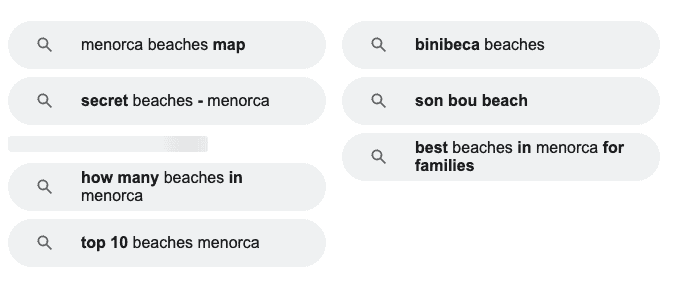
Keywords are the foundation of SEO – so it’s important to start thinking about them from day one.
A keyword is simply a word or phrase that people search for on Google.
For example, “things to do in Rome” or “how to clean a microwave in an apartment because your chili exploded”.
I started my blog with no idea about SEO – and that meant going back 3 years later and deleting about 50 posts and rewriting another 100.
… don’t be me.
Instead, learn SEO the right way ASAP.
👩💻 Learn how to find 1 year of keywords in 1 week here!
7) Writing Your First Blog Post
Now it’s time for the fun part – writing your first blog post!
This is where you get to show off your personality and share your story with the world.
When you’re just starting out, I recommend writing shorter posts (around 1,000 words) until you get the hang of things.
And don’t worry if your first few posts aren’t perfect. No one’s is!
Just get your thoughts down on paper and you can always go back and edit later.
I do recommend working towards SEO optimization from day one. But let’s be real, even the posts we think are perfect today, we’ll come back to in 3 years and be like “… why did I do this??”
So cut yourself a break.
Remember: done is better than perfect.
8) Promote Your Content
Once you’ve written your first blog post, it’s time to promote it.
This is how you’ll get people to actually read what you’ve written while you’re still in the Google Sandbox.
I don’t promote my blog posts outside of my own email list and SEO. But when I started, I found promoting on socials very helpful.
Create a Pinterest pin for each post, share them on Facebook (and force your family and friends to click on it), and even post them on forums like Quora and Reddit.
Word of Warning: Content Sharing Groups
I do not recommend getting involved with Facebook groups where you like and comment on other people’s posts in exchange for them doing the same for you.
It can seem good at first to be getting eyes on your post or to have these people share your posts on their Pinterest or Twitter.
But in actuality, you’re all just getting traffic from each other and not from your target audience.
Plus, it takes a huge amount of time.
I used to spend 40-80 hours a WEEK on these share groups when I was getting started. I never got more than 5k pageviews out of it.
It’s much better to focus on SEO.
Checklist Before Launching Blog
- Get your blog domain and hosting
- Install WordPress
- Choose a niche, then content pillars to focus on
- Do keyword research and learn SEO
- Choose a theme
- Write your first blog post
- Create social media profiles for your blog
- Promote your content
Now you’re ready to launch your blog!

Profitable Part-Time Blogger
Ready to grow a blogging business that fits your life?
The Profitable Part-Time Blogger Program helps you attract your ideal audience, master SEO, and make $5K/month—all in just 20 hours a week.
Whether it’s a side hustle or your dream job, it’s time to work smarter, not harder. Let’s make your blog work for you!
Launch First, Optimize Second, Worry About Post Number…Never
You don’t need to have a ton of blog posts written before you launch your blog. In fact, it’s better to start regardless of the number of posts.
I started with 0 blog posts. And I know people who have written and published 1 post, then launched their blog the next day.
Remember: done is better than perfect.
It’ll take time to get used to writing blog posts and handling the tech of running a blog. Plus, Google won’t even rank your site for the first 3 months.
So don’t wait to launch!
The sooner you start, the sooner you’ll be on your way to building a successful blog.
Read More of My Best SEO Tips:
- Free SEO Content Writing Checklist for Bloggers: 25 Essentials to Include
- 28 Best AI Copywriting Tools in(SEO + Blogger Tested!)
- 1:1 SEO Coach Services with an SEO Specialist and 6-Figure Blogger
- Services
- Shop All of She Knows SEO
- How Many Blog Posts Before Traffic From an SEO Strategy?
- What are Snippets? (SEO Guide + Definition)
- What is the Ideal Blog Post Title Length for SEO?
- 55+ Blogging FAQ Answered: Everything You’ve Wanted to Know About Blogging Professionally
- URL Structure Best Practices: Why You Should Use SEO-Friendly URLs
- How Many Keywords Should I Use for SEO?
- Are SEO Keywords Case Sensitive?
- Is Google Analytics Free?
- 13 Best Laptops for Blogging (Guide from a Blogger)
- Essential WordPress SEO Plugins for Bloggers
- Are Blogging Courses Worth It?: Should You Spend the Money
- 37 Advantages and Disadvantages of Blogging
- Basic SEO for Travel Bloggers: 19 SEO Tips to Scale to Full-Time Income
- SEO Outreach: What It Is and Why It’s Vital for Bloggers
- Blogger Personality Quiz: What Type of Blogger Are You?
- Accepting Guest Posts on Your Blog: The Ultimate Guide 2023
- What’s Your SEO Animal Mascot?
- Vlog vs Blog: Which Online Business Should You Pursue?
- Google E-E-A-T for SEO: Ultimate Guide for Bloggers
- Do You Need Videos for E-E-A-T? From an SEO Expert
- Google Reviews Update April 2023: Not Just for Products
- Should You Be Worried About the March 2024 Google Core and Spam Updates?
- 5 Quick SEO Wins You Can Do Today
- How to Write Alt Text for SEO and Accessibility Wins
- How to Export Data From Google Universal Analytics Before July 1, 2024
- When to Change a Blog Post URL: 7 Common Scenarios
- This is The Biggest Google Search Algorithm Leak in History. Here’s What it Means for Bloggers
- Did Google’s 2024 March Core Update Kill Blogging?
