
She Knows SEO contains affiliate links and is a member of the Amazon Services LLC Associates Program. If you make a purchase using one of these Amazon links, we may receive compensation at no extra cost to you. See our Disclosure Policy for more information.
19 Best Cameras for Travel Blogging & Vlogging in 2024

Looking for the best cameras for travel blogging and vlogging? You’ve come to the right place!
A travel camera is a stellar purchase for the blogger on the road because Google (and other similar search engines) LOVE original photos and videos. This means you need a travel partner that can help you make those gorgeous memories.
I’ve traveled with different photo and video-capturing devices through the years (hello, iPhone), and can attest to the importance of capturing the right shot while you’re on the road.
But there’s so much to choose from (seriously, the options are endless). From point-and-shoot cameras that can capture your meeting with Mickey Mouse to heavy-hitting DSLR cameras that let you capture the perfect time-lapse sunset — there’s a lot to think about.
The best part of the modern-day camera is that whether you’re going to shoot video or images, you can now do both with the same device… and that device can be something as small and portable as your current smartphone. You just need to figure out what you need in a device and see what fits your needs.
So, if you’re on a search for the best camera for travel blogging and vlogging, keep reading and we’ll take a peek through your options!
🏆 Buy the best camera for travel blogging here!
Comparing the Best Cameras for Travel Blogging
| CAMERA | PRICE | RATINGS |
|---|---|---|
  |
Check prices | 4.6/5 Ratings |
  |
Check prices | 4.7/5 Ratings |
  |
Check prices | 4.7/5 Ratings |
  |
Check prices | 4.7/5 Ratings |
  |
Check prices | 4.4/5 Ratings |
  |
Check prices | 4.6/5 Ratings |
  |
Check prices | 4.6/5 Ratings |
  |
Check prices | 4.7/5 Ratings |
|
Check prices | 4.7/5 Ratings |
  |
Check prices | 4.8/5 Ratings |
  |
Check prices | 4.8/5 Ratings |
  |
Check prices | 4.7/5 Ratings |
  |
Check prices | 4.6/5 Ratings |
  |
Check prices | 4.6/5 Ratings |
  |
Check prices | 4.6/5 Ratings |
  |
Check prices | 4.4/5 Ratings |
  |
Check prices | 4.1/5 Ratings |
Best Cameras for Travel Blogging & Vlogging
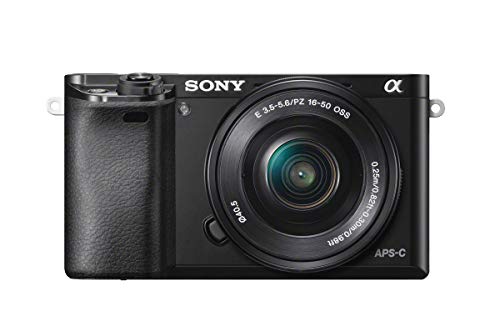
1. Sony A6000 Mirrorless
The Sony A6000 Mirrorless Camera is an advanced and flexible camera system. However, it’s still lightweight and compact enough to carry on your travels without adding a ton of extra baggage. It can capture stunning 4k video quality with a flip-up screen so you can capture yourself (or someone else) easily.
I particularly like that it has body image stabilization which helps produce sharp images in any situation. Weighing a packable 0.75 lbs, the Sony A6000 Mirrorless Camera also features an interchangeable lens system for even more creative control over your shots. It’s a pleasure to shoot with, regardless of where in the world you are.
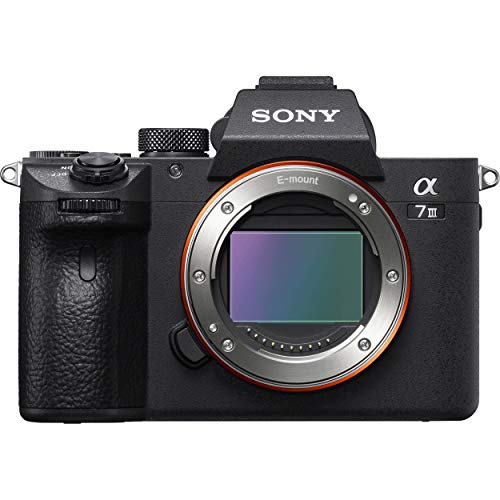
2. Sony A7iii
The Sony A7iii is a great option for movie-making. Despite its small 1 lb 7 oz size, it can do some serious heavy lifting. Not only can it capture 4K video content, but you can shoot in RAW, JPEG and HEIF.
This mirrorless camera is a slightly older model, so it should be a little more affordable than something newer. But what I love best for travel bloggers is that you can easily charge its Z-series lithium battery with a USB-C cable (no extra battery needed).
I like that you can do some low-light photography with it and it has image stabilization so you’ll get a clear shot. The silent shutter means you can take sneaky (so long as they’re totally ethical) photos with the wide range of lenses available. Finally, it’s great for using on-the-go, because it’s both wi-fi and Bluetooth capable.
3. Nikon D3400
The Nikon D3400 is a great option for starters looking for the best camera for travel photography, especially because it has a handy “help” feature that gives you guidance as you work. It can take incredible pictures once you learn how to set it up properly. Plus its lightweight and portable design make it perfect for travel blogging.
It features a telephoto zoom lens so you can take images from a distance, face detection and contrast-detection autofocus. There is a built-in flash, but the camera itself also supports an external one if you want to use it.
It’s Bluetooth capability (though no wi-fi or GPS tagging) and built with a rechargeable battery that lets you take about 1,200 shots before it needs to recharge. With all these features in one camera, the lightweight and rugged Nikon D3400 is truly a great starter camera for any photographer.
4. Canon Powershot G7X Digital Camera
If you want a lightweight, travel-friendly point-and-shoot camera that produces high-quality photos, the Canon Powershot G7X Digital Camera is for you. It’s great for those just learning because there’s a handy LCD screen that you can check your shot through.
It has 4X zoom capabilities which makes it really great for taking photos of mountains or other high places (hello, hikers!). For even greater control over your photo, you can choose to enable shutter mode so you can focus on both image and background.
Perfect for bloggers on the go, it features wi-fi and GPS tracking capabilities, so long as it’s connected to your smart phone. You can record video, though it caps at 29 minutes and 59 seconds. However, it’s worth noting that the battery capacity isn’t the best.
5. Fujifilm X-T30 Camera
The Fujifilm X-T30 Camera Mirrorless is one of the best compact camera, especially because it’s so moderately priced. It has incredible image quality and a nice autofocus sensor, making it ideal for bloggers looking for an all-inclusive camera.
The biggest complaint tends to be the battery life, so if you plan on doing extensive filming or shooting, you may need to bring an extra battery. Despite this, the X-T30 still offers clear and sharp videos even in low light environments, making it a great choice for high quality images.
All that said, it is worth noting the camera might be a tad bit too complex for brand new photographers. So, purchase at your own risk!
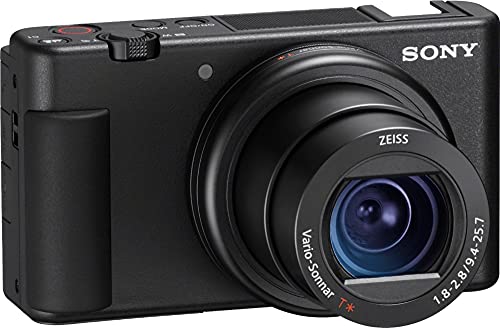
6. Sony ZV-1
Travel bloggers looking for a light and compact device to tag along would be wise to take a peek at what the Sony ZV-1 has to offer.
It features SteadyShot advanced image stabilization so you can capture the action. The flip out screen with 3-capsule microphone allows you to capture decent front-facing video and audio quality. Best of all, it’s incredibly easy to use.
I like this option for anyone wanting an all-in-one option. It’s perfect for everyday use, whether you’re headed to hike on the mountains or need to capture the perfect shot of your travel buddy pretending to knock over the Leaning Tower of Pisa.
7. Olympus OM-D E-M5
The Olympus OM-D E-M5 doesn’t have the right autofocus function for action shots, but that’s not a problem if you’re capturing a shot of your delicious lobster lunch. Its small body makes it highly packable, perfect for the average travel blogger.
This is a great portable device if you’re shooting video. It features great stabilization capabilities, and a hot shoe and audio mic jack so you can add an external microphone (hello, vloggers!).
There are plenty of lenses and accessories so you can customize the device to your liking. Ultimately, I like that this mirrorless camera comes at a more affordable price point than some of its similar competitors. If you want something simple and don’t need to be able to shoot action, this is for you.
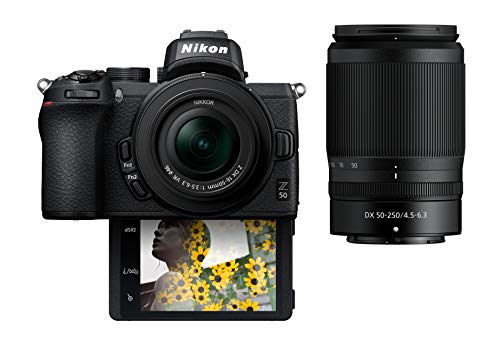
8. Nikon Z50 Mirrorless
Weighing in at a mere 0.87 lbs, the Nikon 750 is the smallest of their mirrorless cameras — perfect for the grab-and-go travel blogger. There’s no need to pack an extra bag, you can simply shove it into your carry on.
However, this isn’t a camera recommended for beginner photographers, it’s really more of an intermediate choice. But it shoots stellar photos in NEF (RAW) and JPEG, even though it’s not a full-frame camera.
It offers a sturdy and durable camera choice, both resistant to dust and rain. It’s small enough to easily fit into your bag. And you can upgrade it with professional lenses, but you’ll likely need an adapter. If that’s not a dealbreaker for you, this might just be the best budget camera for traveling for you.
9. Canon G7X M II
The Canon G7X M II point and shoot camera is the perfect entry-level choice for new travel bloggers that aren’t ready to take the DSLR plunge. At 0.7 lbs, this is a highly lightweight and packable choice.
While it has a fixed lens, which means you can’t customize it as much as you might like, you can still shoot manual. It’s a great choice if you’re looking for something that you can grow with. And it’s more cost-friendly choice compared to big DSLR cameras with a dynamic shooting range.
Not only does it shoot great JPEG and RAW compression photos, but you can also shoot videos in full HD, MP4 and iFrame. The big downside is that the camera is NOT weather sealed, so be careful where you bring it. And it has a limited focal length which changes how you shoot. Ultimately this is a great travel blogging camera.
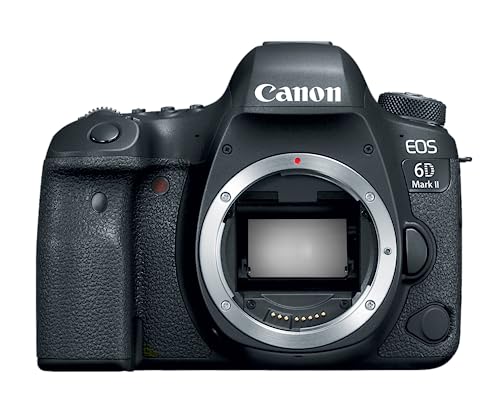
10. Canon 6D Mark II
Another stellar Canon choice is the 6D Mark II. It’s a popular full-frame camera with travel bloggers who recommend it for its easy of use and quality images. I particularly enjoy that it supports quiet shooting with its silent shutter mode, that way you can capture nature as it was intended.
If you like to capture in darker environments, it does have low light sensing ability. Along with an enabled GPS feature so it can store the location your image was taken. It also has built-in wi-fi, Bluetooth and NFT for added convenience when file sharing.
While it does capture video, it caps the shooting time to 29 minutes and 50 seconds. But you might want to bring along an extra battery (or simply make sure to charge it overnight) because you can only shoot around 1,200 shots before it needs a recharge.
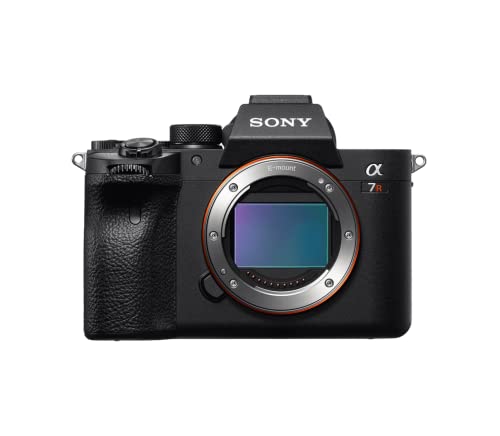
11. Sony a7RIV
If you’re looking for a camera that provides quality, high-resolution images, the Sony a7RIV is for you. Powerful features, including fast hybrid focus, autoshots, and built-in wifi and Bluetooth make it suitable for activities such as wildlife photography.
There are rechargeable batteries (as with any other camera) that can take up to 670 shots, which means you might need to bring an extra battery. It’s easy to use without a lot of set-up, but the large pixel dimensions do consume a lot of memory — so bring a backup card.
I should add that this device is a bit on the pricey side. But this Sony mirrorless camera is a joy to travel with due to its small size and the fact that it’s both water and dust resistant. There are a lot of travel bloggers happy with this device.
12. Canon EOS M50 Mark II
The Canon EOS M50 Mark II Mirrorless camera is perfect for both photography and videography. Not only can you shoot in RAW, C-RAW and JPEG formats, along with recording video in 4K, full HD quality, and MP4 format — perfect for YouTube.
This Canon features the ability to take beautiful photos with great low light performance and stellar long-exposure, so you can grab the shots you want. You can capture great photos with the dual pixel autofocus, and check them out in the large touch screen viewfinder. Plus, the lens can be changed out, and it’s styled like a mini DSLR, so it’ll look great on Instagram.
At 0.85 lbs, this device is both lightweight and packable. It’s easy for newbies to use but advanced enough for intermediate bloggers too. It is worth noting that the battery life isn’t amazing and there’s no USB charging, so you might want to pack an extra battery.
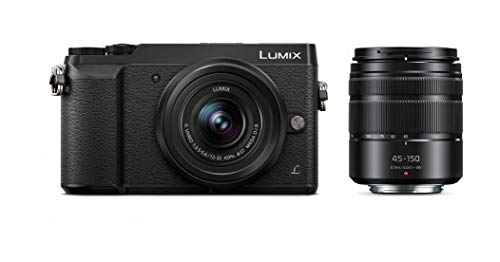
13. Panasonic Lumix GX85
The perfect travel blog camera is something tiny, and the Panasonic Lumix GX85 brings that to the table. It’s mirrorless with the ability to change lenses if you want to grab a different shot, and a silent shutter to help you sneak a shot (legally, of course).
It has some stellar features that can really enhance the end product. From a panorama setting to face and contract detection and autofocus, it’s got what you need. There’s a built-in flash, but you can also use a hot-shoe flash if you’d prefer. Plus it’s both wi-fi and NFC enabled.
However, it’s worth noting that this probably isn’t the best choice if you want a camera to primarily vlog. The built-in microphone isn’t anything to brag about, and the time frame caps out at 20-minutes. The battery life also caps out at 290 shots. So, you’ll want to make sure that this one will work for what you need.
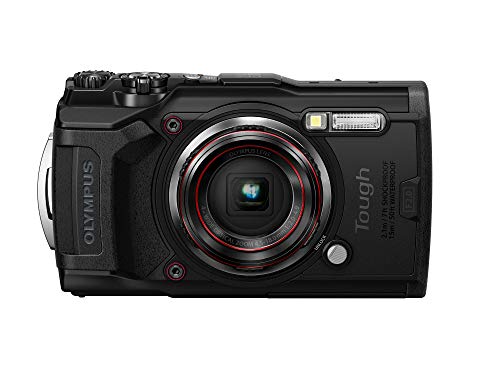
14. Olympus-TG Compact Camera
Another small point-and-shoot option is the Olympus-TG Compact Camera, and luckily it doesn’t require its own luggage to bring along. I like that it’s great at grabbing those great close-up shots — closer than the traditional DSLR cameras can go. However, it’s worth pointing out that the Zoom does leave you wanting.
It doesn’t have an amazing battery life, but it can be charged by a USB cable so you can charge on the go. It’s also not a full-frame camera, nor does it support an external flash. However, it stands up to the element — both water and shock resistant — which means you can grab those luxurious underwater shots you see online.
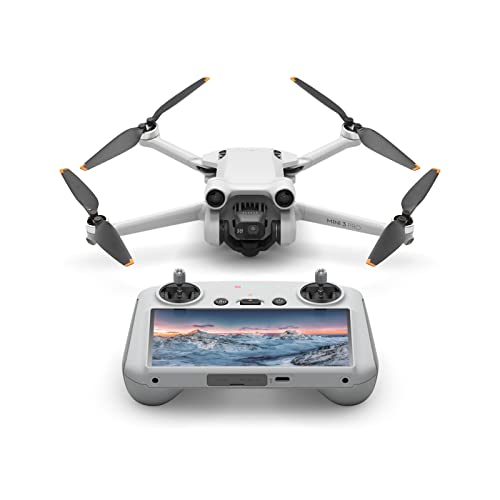
15. DJI Mini Drone 3
If your travel blogging or vlogging calls for a drone, the DJI Mini Drone 3 is where you should look. You can score it for less than $500, and it weighs less than 250g and can be picked up with a single hand. Honestly, it’s a great travel pick — one of the cheapest price points for a drone.
However, it does NOT come with a remote, which will set you back a little less. The camera has native vertical shooting capabilities, but it does not feature ActiveTrack or any obstacle avoidance section. Finally, while it supports QuickShots, it does lack the higher frame rate for those super clear images.
16. GoPro Hero 11
The GoPro Hero 11 is an impressive little device that is equipped with a sensor bigger than your average smartphone. You can shoot 27 megapixel photos and stunning 5.6k videos, perfect for capturing beautiful selfies, blogging, and even cinematic slow motion.
If you’re looking for a camera to bring along on your action-packed adventure, this is for you. It’s compatible with GoPro accessories, which you can switch out to enhance and change your experience. It also features a front-facing screen, so you can shoot a selfie and figure out what you’re looking at.
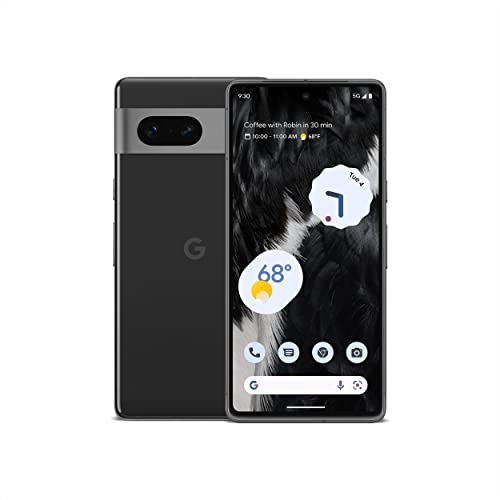
17. Google Pixel 7
Not all travel bloggers go with a full-on camera, instead they use their phone. Smartphone cameras improve with each new upgrade and the Google Pixel 7 is no exception. If you already have one, it might be the best pick for you.
This instalment of the phone is capable of shooting 4K video with 60 frames-per-second in HDR, catching up to rivals. The selfie camera shoots 10 megapixel images in a variety of light conditions.
What I love best about this idea is that it’s short, narrow, and highly portable. You can charge it on the go, and you don’t need to pack anything extra!


18. iPhone 14
There’s basically a new iPhone every year, so by the time you read this it might be outdated (#SorryInAdvance). But the iPhone 14 has a great camera right in it — no need for extra baggage (pending you have one).
Made with a Ceramic Shield front, glass black and overall aluminium design, it’s a gorgeous device (that comes in 5 different colors). It has a dual camera system 12 MP main camera with sensor shift optical image stabilization and 100% Focus Pixels, and the second is a 12 MP ultra wide 120-degree field of view. The camera features 2X optical zoom with digital zoom up to 5X. It has everything from night mode, panorama and portrait mode with advanced bokeh and depth control.
Not only that, but you can shoot some killer video with it. It records in 4k videos, 1080p HD video and 720p HD video recording. Whether you’re trying to capture some action or want to create a cinematic travel video, you can do it with this bad boy. It’s worth noting that you can technically edit videos right on the phone too — granted you’ll be a bit limited, but its great for working on the fly.
Honestly, if you’re just starting your travel blogging journey and you’re not sure what you need in a camera, try your phone first. It’ll give you an opportunity to get a feel for what you need before you make an additional purchase.


19. Fujifilm InstaMax
I’ll be honest, the Fujifilm InstaMax is more of a fun camera, but you can still take it on the road with you. This is a point-and-shoot Polaroid-style camera that can print your pictures on the go. It’s an affordable and compact choice, and great for travel memories. But this isn’t going to be the go-to camera for the hard-core photographer and it doesn’t work for video.
It features a wide angle lens that covers 28mm equivalent angle of view (roughly the same as your smartphone). There is a micro SD card slot so that you can transfer photos to your device to post online, and you’ll need it because the internal memory only holds 45 images. All-in-all this isn’t an advanced camera, you won’t have any control over the autofocus points, white balance, or exposure compensation. Plus, you’ll need to buy film for it. But it can still be a fun pick.
Types of Cameras
There are many different types of cameras available on the market today, each offering unique benefits for travel bloggers and vloggers. Here are the ones you’ll want to know if you’re ready to snap some gorgeous images and shoot some film for your online fans:
DSLR
The Digital SLR or DSLR is the big fancy cameras that everyone pictures when they think “professional photography.” It’s the workhorse of professional photography and is a pretty fancy device.
These types of cameras reflect light when it enters into the lens, and with the help of a mirror it provides you with an image on the viewfinder. They’re often packed with features like manual shooting, focus, changeable lenses, and image stabilization.
The catch with DSLR cameras is that they’re pretty dang big. They’re weightier than other options and will most often need a full separate case. You won’t be packing light with one of these devices in your bag.
Mirrorless
Mirrorless cameras are considerably more compact than DSLR options since they don’t feature a mirror built into the body. They’re a lot easier to cart around than their bigger counterparts, perfect for everyday images, photoshoots, and trips!
The mirrorless camera design ensures that mirrorless cameras are far more discreet, allowing photographers to capture candid shots without drawing too much attention. And while you might need a little case for it, you should be able to drop it into your carry-on and head out.
Bridge Cameras
Bridge cameras are a great hybrid of point and shoot and DSLR technology, providing the best of both worlds. These types of cameras are great for action-shots like sports, wildlife and even astrophotography due to their large zoom range. However, these type of cameras have a fixed lens, which means you can’t change it, so there won’t be any fish-eye add-ons.
Point and Shoot
Chances are you’ve used a point and shoot camera if your family went on vacation in the mid-2000s — you know, that pink Cybershot that your mom carried around. These are small, affordable, and perfect for capturing everyday life.
Honestly, these cameras get a lot of flack but they can produce some seriously good content, especially if you have an eye for editing. The best part is, they tend to be less expensive than their bigger counterparts.
But point and shoot cameras don’t typically have changeable lenses, can’t connect to external hot shot flashes, nor can you usually hook up an external microphone. If you’re heavy into video shooting or need to take intricate photos — like night shots of the sky, for example — this isn’t going to be the choice for you.
Smartphones
There are a lot of stellar smartphone cameras out there which can be carted along your journey. Carrying your iPhone or Google Pixel while you travel means that you don’t need to pack more than necessary. Plus there are plenty of apps out there that can help you edit photos while you’re out and about.
However, not all smartphone cameras are made the same. Look into the camera you already have (pending you have one) and take a peek at what kind of content you can create with what you already have. Remember you can always upgrade if it’s not quite meeting your needs.
Underwater Cameras
If you’re itching to take shots of sea life while you dive off the Mexican coast, the underwater camera is for you. If you want to take a camera underwater you’ll need something that’s both shock resistant and waterproof — not water resistant. Don’t take any cameras into the water if you don’t 100% know they’re made for it!
Video Cameras
Video cameras are a bit of an old-school choice. Most travel bloggers and vloggers will probably be more comfortable with something that can capture both stellar images and great video. However, they are still a thing and the modern-day versions do come well-equipped.
For those that are interested, you can still grab a video-first camera that shoots some killer film. If you want to shoot only videos, a hand-held video camera might be the right choice for you. But if you want to capture images, consider something that does both.
Features to Consider When Picking a Camera

Weight
Bringing a big camera like a DSLR will mean that you need to get it a (small-ish) suitcase of its own. The more lenses, flashes, and other fancy add-ons you have, the bigger the bag you’ll need to cart around. All of this packs on the extra weight, so consider whether or not you want additional baggage.
Lens
Not all cameras have interchangeable lenses, which will change your experience with the camera. So, consider whether the camera you’re looking at has detachable lenses — and whether or not you want it to be. You can’t go back and make it detachable after.
Size
Not only does the weight matter, but the overall size does too. Let’s say you ditch the big DSLR camera and all of its accessories for something simpler — you still want to consider how big it is. How much room is it going to take up in your bag? And how much room do you have to give up?
What You Are Shooting: Photo vs. Video
Are you going to be shooting photos or capturing video? It’s important that you decide before you start looking for a camera. Video creators are going to need something different than photographers.
If you’re shooting video, consider things like 4K capabilities and optical image stabilization. But if you’re going to be photos-first, consider something that shoots RAW, fast autofocus and image stabilization. Also, think about the type of content — wildlife content versus action sports requires different abilities.
Using the right equipment for the job will ensure that your images and videos turn out exactly how you want them to.
Usage
The end result of what you’re going to be doing with the photos and images will also impact what kind of device you get. Are you selling photos and prints? Are you simply sharing them on social media?
For most travel bloggers, smaller file sizes will be better. But if you’re selling prints at the end, you’re going to want something that has a superior lens and camera body so you can capture every single pixel.
Battery Life
Just like when picking a laptop, you’ll want to consider how long the battery lasts. If you’re traveling somewhere that you’re not going to have regular access to power to charge your device, you’ll want something with a longer battery. However, it’s worth noting that even if you aren’t going to be lost in the wilderness, you still probably want a decent battery life.
Upgrades and Accessories
The final thing you’ll want to consider are any upgrades or accessories that you can get for your fancy new camera. Whether you want lenses, flashes or something else entirely, you’ll need to take that into consideration.
Not all cameras work with upgrades or accessories, particularly if you’re leaning towards a point and shoot or even wanting to travel smartphone only. If you have a particular accessory or upgrade in mind, you’ll want to make sure you’re looking at cameras that work with it.
Tips for Better Travel Photos
Rule of Thirds
The “rule of thirds” is an age-old photography trick. This means splitting your camera frame into thirds both horizontally and vertically, and then placing your subject in either the left or right third of the image. This will help create a more well-composed photo by using the rest of the space in interesting ways.
Take it one step further by lining up elements along these lines or place points of interest where they intersect for an even more pleasing composition. By utilizing these techniques, you can take visually stunning photos that’ll look stellar on your blog.
Reduce Noise
”Noise” makes your photo look blurry. One great tip for scoring a stellar photo is to make sure you reduce the noise. This grainy look can appear when you use a higher ISO setting, take a photo without a flash or don’t use a tripod.
To reduce the occurrence of noise, considering shooting in a RAW format (these are REALLY BIG photos, so make sure you have the room), use a tripod, try using a lower ISO setting (especially if you’re in low light conditions), and turn on the flash. Also, if you have a noise reduction filter option on your camera, consider trying it out.
Framing
Framing includes the “rule of thirds” but it also means taking a look at EVERYTHING in your photo before you hit that button. Make sure your photo includes a focal point (which is often the subject of your photo), and that you don’t have too much to look at in one frame. Look at the background of your photo, is it distracting? Make sure you cut everything extra that you don’t want.
Exposure
Exposure is an important part of photography, and it can be tricky to get right. The best way to become familiar with exposure is to take pictures in different settings, and see what happens when you change your settings.
For example, if you have a low light setting on your camera, turn it on and try taking photos in low light. It‘s next to impossible to fix over or under exposure photos after the fact (like, during editing), so you want to make sure that it’s done correctly in the first place. So, learn exposure!
Shooting RAW
Shooting RAW is a great way to capture images because it is lossless, meaning no data will be lost in the process. However, these photos are quite large and take up a lot of space. This is beneficial in the long run though, as it gives you much more flexibility when it comes to editing your photos afterwards. RAW photos offer a vast range of options for post-processing and color grading, giving you more control over the final look of your image.
Lightroom Presets
Editing photos can be a challenge if it’s a new thing for you, but it doesn’t have to be. Enter: Lightroom presets. Lightroom presets are a great way to quickly and easily get the look you want from your image. They also make editing fun! There are thousands of free Lightroom presets available online, making it easy to find ones that match your style. Plus your favorite creators out there often have their own for sale too.
Lenses
Different lenses give you different options for photos. For example, a wide-angle lens is great for getting in close to the action, while a telephoto lens will help you capture long distance shots.
It’s best for you to get used to the one you have already before you dig into anything else. And remember that every additional lens you have not only comes at an extra cost, but you’ll need more space for it too!
Tripod
As travel bloggers, we’re often looking to lighten our load — and a tripod won’t help with that. But it will help you capture some seriously stellar shots that have considerably less noise.
The good thing is, you can get your hands on a portable, packable and inexpensive tripod. The key is to find yourself one that’s tough enough to handle adventure, but light enough for you to carry with you.
Even if your camera already has stabilization, it can always use more. Consider something with a good ole fashioned built-in leveling bubble, as it’ll help make it much easier for you to capture pictures that are perfectly level.
Conclusion: Best Cameras for Travel Bloggers
Finding the best travel camera for your blogging and vlogging adventures is important if you’re heading out on a grand adventure.
But before you buy, you want to make sure it has the right features that you need to get the content you want. If you’re running a YouTube channel, you’ll need to think about stellar (and easy) filming. However, if you’re a photo first kind of blogger, you might want something with all the lens bells and whistles. Plus, you’ll need to make sure whatever you’re looking at fits into the budget you’ve got.
When traveling with your fancy new camera, you’ll need to make sure to pack it properly. Cameras will need, at the very least, a sleeve or case to be carried in. When it comes to lithium batteries, you’ll need those to be stored in your carry-on bag (they can’t be checked), and a big camera like a DSLR will need its own bag for all its fancy accessories.
But the right camera is out there for every travel blogger (regardless of your budget).
With these tips for choosing the best one, you should have no problem finding it. Snap those gorgeous photos and shoot that engaging video so you can grow your audience.
🏆 Buy the best camera for travel blogging here!
Read More of My Best SEO Tips:
- Free SEO Content Writing Checklist for Bloggers: 25 Essentials to Include
- 28 Best AI Copywriting Tools in(SEO + Blogger Tested!)
- 1:1 SEO Coach Services with an SEO Specialist and 6-Figure Blogger
- Services
- Shop All of She Knows SEO
- How Many Blog Posts Before Traffic From an SEO Strategy?
- What are Snippets? (SEO Guide + Definition)
- What is the Ideal Blog Post Title Length for SEO?
- 55+ Blogging FAQ Answered: Everything You’ve Wanted to Know About Blogging Professionally
- URL Structure Best Practices: Why You Should Use SEO-Friendly URLs
- How Many Keywords Should I Use for SEO?
- Are SEO Keywords Case Sensitive?
- Is Google Analytics Free?
- 13 Best Laptops for Blogging (Guide from a Blogger)
- Essential WordPress SEO Plugins for Bloggers
- Are Blogging Courses Worth It?: Should You Spend the Money
- 37 Advantages and Disadvantages of Blogging
- Basic SEO for Travel Bloggers: 19 SEO Tips to Scale to Full-Time Income
- SEO Outreach: What It Is and Why It’s Vital for Bloggers
- Blogger Personality Quiz: What Type of Blogger Are You?
- Accepting Guest Posts on Your Blog: The Ultimate Guide 2023
- What’s Your SEO Animal Mascot?
- Vlog vs Blog: Which Online Business Should You Pursue?
- Google E-E-A-T for SEO: Ultimate Guide for Bloggers
- Do You Need Videos for E-E-A-T? From an SEO Expert
- Google Reviews Update April 2023: Not Just for Products
- Should You Be Worried About the March 2024 Google Core and Spam Updates?
- 5 Quick SEO Wins You Can Do Today
- How to Write Alt Text for SEO and Accessibility Wins
- How to Export Data From Google Universal Analytics Before July 1, 2024
- When to Change a Blog Post URL: 7 Common Scenarios
- This is The Biggest Google Search Algorithm Leak in History. Here’s What it Means for Bloggers
- Did Google’s 2024 March Core Update Kill Blogging?
